Card Games







Introduction to Card Games
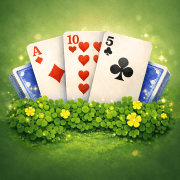
Card Games are inspired by traditional games where players must organize and arrange dealt cards into their correct positions according to specific rules. While the basic concept often revolves around sorting, matching, sequencing, or building card foundations, each game has its own mechanics and objectives.
Because every card game follows different rules, it is important to read the instructions carefully before you start playing. Some Card Games rely more on strategy and planning, while others blend logic with elements of luck. This variety is one of the reasons card games remain so popular across generations.
Today, players can enjoy Card Games online, making it easier than ever to access classic favorites without needing a physical deck.
The History of Card Games
The history of Card Games dates back over a thousand years. Playing cards are believed to have originated in China during the Tang Dynasty before spreading to Persia and later to Europe in the 14th century.
As card decks evolved, different regions developed their own unique games. In Europe, traditional trick-taking and solitaire-style games became popular. Over time, card games turned into household entertainment, played in homes, cafes, and social gatherings.
With the rise of computers in the late 20th century, Card Games entered the digital world. One of the most significant milestones was the inclusion of Solitaire in early computer operating systems, introducing millions of people to digital card play. Today, browser-based and mobile-friendly Card Games continue to attract players worldwide.
Exciting Features of Card Games
Modern Card Games remain engaging because they offer more than simple entertainment. Here are some of their most attractive features:
Perfect for Short or Long Sessions
Whether you have five minutes during a break or want to relax for an hour, Card Games adapt easily to your schedule. Many games can be completed quickly, while others allow extended strategic sessions.
Stress Relief Through Focused Play
One of the key reasons people search for Card Games online is relaxation. Concentrating on arranging cards, building sequences, or matching suits helps clear the mind and reduce stress. The repetitive yet strategic nature of the gameplay creates a calming effect.
Improve Logical Thinking Skills
Many Card Games require careful planning and forward thinking. Players must:
- Plan multiple moves ahead
- Organize cards in specific sequences
- Follow suit and rank rules
- Adjust strategy based on available options
By consistently analyzing the board and making structured decisions, players naturally strengthen their logical reasoning and problem-solving skills.
Popular Types of Card Games
There are many categories of Card Games, each offering a different style of gameplay.
Solitaire & Single Player Card Games
These are some of the most well-known and widely played Card Games, designed for solo players who enjoy strategy and concentration.
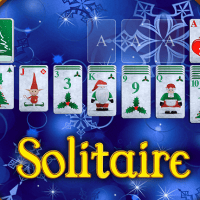
The classic version of Solitaire. Players build foundation piles from Ace to King by suit, while organizing tableau columns in descending order with alternating colors. It requires patience and careful card management.
A highly strategic variation where all cards are visible from the beginning. Players use free cells to temporarily store cards while building foundation piles. Nearly every FreeCell deal is solvable with the right strategy.
In Spider Solitaire, players create complete sequences of cards in descending order within the tableau. Depending on difficulty, the game may use one, two, or four suits, increasing complexity as more suits are introduced.
A faster-paced solitaire game where players remove cards that are one rank higher or lower than the active card. The goal is to clear three pyramid-shaped peaks as efficiently as possible.
These single-player Card Games are ideal for players who enjoy structured challenges and independent gameplay.
Competitive & Social Card Games
Not all Card Games are solo experiences. Some are designed for interaction and competitive play.
In Uno, players aim to be the first to discard all their cards. Each turn requires matching the top card of the discard pile by color or number, while special action cards add unpredictability and strategy. Timing and quick decision-making are essential for winning.
Competitive Card Games like Uno bring social energy and dynamic gameplay to the traditional card format.
Strategy-Based Logic Variants
Some games combine card mechanics with logic-based puzzles.
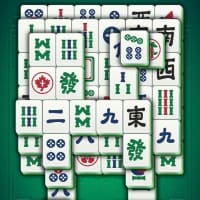
Although visually different from traditional playing cards, Mahjong Solitaire follows a similar principle of matching and strategic removal. Players must pair identical tiles while ensuring that the selected tiles are free and not blocked by others. Planning is crucial to avoid dead ends.
These types of Card Games appeal to players who enjoy structured thinking and careful observation.